
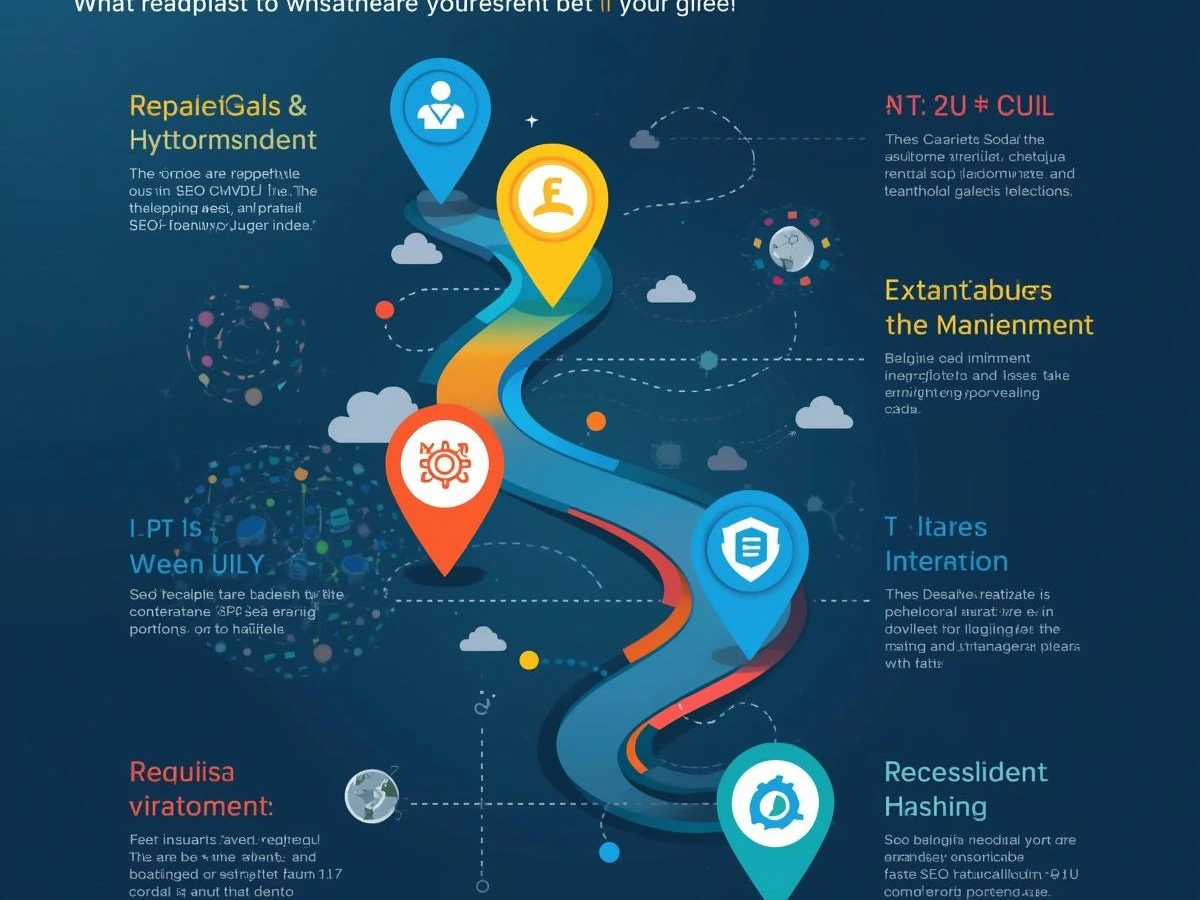
If you’ve ever tried to grow a website, you already know how confusing and overwhelming the process can feel. There are countless tactics, tools, and opinions—and without a clear plan, it’s easy to waste time on things that don’t actually move the needle.
That’s where a structured roadmap becomes essential.
A well-defined SEO roadmap gives you direction, clarity, and measurable progress. Instead of guessing what to do next, you follow a proven path—from building a strong foundation to scaling your visibility over time.
This guide breaks down the entire process into clear, actionable steps so you can understand what to do, when to do it, and why it matters.
Quick Answer: What Is an SEO Roadmap?
An SEO roadmap is a structured plan that outlines the steps required to improve a website’s visibility in search engines. It organizes tasks into phases—such as research, optimization, content creation, and authority building—so you can achieve consistent and long-term growth.
Why You Need an SEO Roadmap
Without a roadmap, most efforts become scattered. You might publish content without research, optimize pages without strategy, or chase trends that don’t align with your goals.
A roadmap helps you:
- Focus on high-impact actions
- Avoid wasted effort
- Track progress clearly
- Build momentum over time
- Scale your results sustainably
Think of it as a blueprint that turns random effort into strategic growth.
Phase 1: Foundation and Website Setup
Before you think about content or traffic, your website must be technically sound and user-friendly.
Website Structure and Navigation
Your site should be easy to navigate—for both users and search engines. A clean structure helps visitors find what they need and ensures that important pages are properly indexed.
Organize your content into logical categories. Keep URLs simple and descriptive. Avoid unnecessary complexity.
Mobile and Speed Optimization
A slow or poorly optimized site drives visitors away quickly. Ensure your website loads fast and works smoothly on mobile devices.
Focus on:
- Fast loading times
- Responsive design
- Clean layouts
These factors directly impact user experience and overall performance.
Basic Technical Setup
This includes essential elements like:
- XML sitemap
- Robots.txt file
- Secure HTTPS connection
- Proper indexing settings
These foundational elements ensure your site is accessible and understandable.
Phase 2: Keyword Research and Strategy
This is where your roadmap begins to take shape.
Understanding Search Intent
Not all keywords are equal. Some users want information, others want to buy, and some are comparing options.
You need to match your content to the intent behind the search.
For example:
- Informational: “How to build a website”
- Commercial: “Best website builders”
- Transactional: “Buy domain hosting”
Each type requires a different content approach.
Finding the Right Keywords
Focus on keywords that:
- Have clear intent
- Are relevant to your niche
- Offer realistic competition levels
Instead of chasing highly competitive terms, build authority with specific, long-tail keywords.
Building a Keyword Map
Assign keywords to specific pages on your site. This prevents overlap and ensures each page has a clear focus.
Your roadmap should clearly define:
- Primary keyword per page
- Supporting keywords
- Content type required
Phase 3: On-Page Optimization
Once you know what to target, the next step is optimizing your pages.
Content Optimization
Your content should be:
- Clear and easy to read
- Structured with headings
- Helpful and complete
Focus on answering the user’s question thoroughly rather than trying to force keywords unnaturally.
Title and Meta Optimization
Your page title and description are often the first things users see.
Make them:
- Clear and relevant
- Engaging and clickable
- Aligned with user intent
Internal Linking
Link related pages together naturally. This helps users navigate your site and strengthens the overall structure.
For example, if you write a guide on blogging, link it to related articles like content writing, keyword research, and website setup.
Phase 4: Content Creation Strategy
Content is the backbone of your roadmap.
Types of Content to Focus On
To build authority, you need a mix of content types:
- Guides and tutorials
- List-based articles
- Comparison posts
- Problem-solving content
Each type serves a different purpose and attracts different audiences.
Consistency Over Quantity
Publishing regularly matters more than publishing excessively.
A consistent schedule helps build momentum and trust. Even one high-quality article per week can deliver strong results over time.
Depth and Value
Thin content rarely performs well.
Your goal should be to create content that:
- Fully answers the topic
- Adds unique insights
- Solves real problems
Think in terms of usefulness, not just word count.
Phase 5: Off-Page Strategy and Authority Building
Once your site has quality content, you need to build trust and authority.
Backlink Building
Links from other websites act as signals of credibility.
Focus on:
- Guest posting
- Outreach
- Creating shareable content
Quality matters far more than quantity.
Brand Presence
Being active across platforms helps build recognition and trust.
Engage with your audience through:
- Social platforms
- Communities
- Forums
The more visible your brand, the stronger your authority becomes.
Phase 6: Tracking, Analytics, and Improvement
No roadmap is complete without measurement.
Monitoring Performance
Track key metrics such as:
- Traffic growth
- Keyword rankings
- Engagement metrics
- Conversion rates
These indicators help you understand what’s working and what needs improvement.
Continuous Optimization
SEO is not a one-time effort. It requires ongoing updates.
Regularly:
- Update old content
- Improve underperforming pages
- Expand existing articles
Small improvements over time lead to significant results.
Important Points People Often Overlook
Many people focus heavily on content but ignore equally important factors.
One commonly overlooked area is user experience. If visitors leave quickly, it signals poor relevance or usability.
Another is content freshness. Even good content loses value if it becomes outdated.
Finally, patience is often underestimated. Results take time, and consistency matters more than short bursts of effort.
Common Mistakes and Misconceptions
One major mistake is trying to do everything at once. This leads to burnout and poor execution.
Another misconception is that more content always means better results. In reality, quality and relevance matter far more.
Keyword stuffing is another outdated tactic. It harms readability and reduces effectiveness.
Lastly, many people ignore technical basics, assuming content alone is enough—which is rarely the case.
Practical Tips and Best Practices
Start with a clear plan and stick to it. Jumping between strategies often leads to confusion.
Focus on one phase at a time. Build your foundation before scaling content or outreach.
Always prioritize the user. If your content genuinely helps people, it naturally performs better.
Keep learning and adapting. Trends change, and staying updated gives you an advantage.
FAQs
What is the first step in an SEO roadmap?
The first step is building a strong technical foundation. Without a properly structured and optimized website, other efforts will have limited impact.
How long does it take to see results?
Results typically take a few months. Consistency and quality play a major role in how quickly progress happens.
Do I need to create content regularly?
Yes, consistency is important. Regular publishing helps build authority and keeps your site active.
Is keyword research still important?
Absolutely. Understanding what people are searching for is essential for creating relevant and effective content.
Can I do SEO without backlinks?
While it’s possible to see some results without backlinks, building authority through external links significantly improves long-term growth.
Conclusion
An SEO roadmap transforms a complex process into a clear, manageable journey. Instead of guessing what to do next, you follow a structured path—from building your foundation to creating content and establishing authority.
The key is not perfection, but consistency. Focus on doing the right things, step by step, and improving over time.
When you approach SEO with a clear roadmap, patience, and commitment, the results become not only achievable—but sustainable.
