
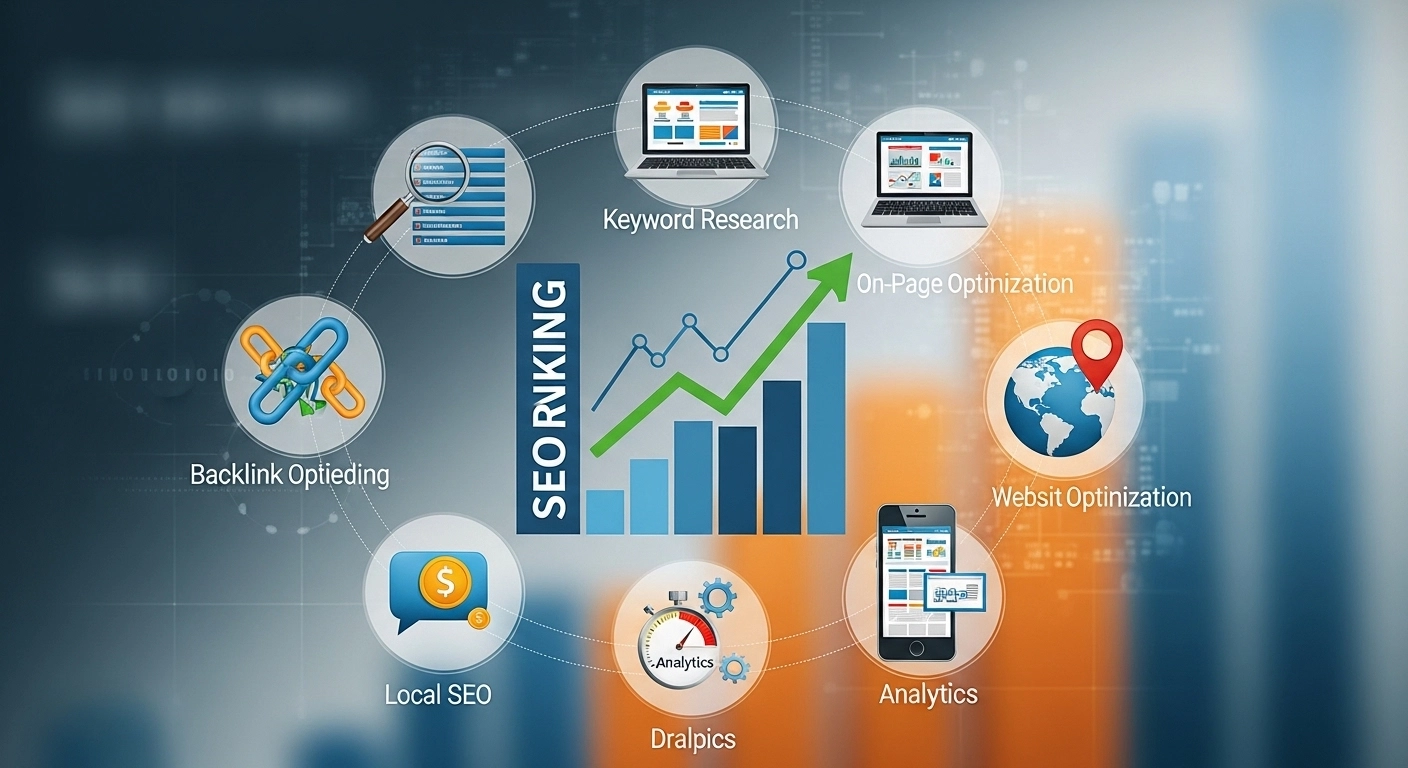
Getting your website to rank higher on Google isn’t about tricks anymore. Modern SEO is about relevance, quality, and user experience. If your content truly helps people and your website is technically strong, search engines reward you with better visibility.
In this guide, you’ll learn practical SEO ranking boost strategies you can start using today to improve your search rankings, increase organic traffic, and grow your website.
1. Target the Right Keywords (Search Intent First)
Many websites fail because they choose keywords without understanding search intent.
Every search falls into one of these main categories:
- Informational – Users want to learn something (e.g., “what is SEO”)
- Navigational – Users want a specific website
- Transactional – Users want to buy or take action
To boost rankings, your content must match the intent behind the keyword.
Example
If the keyword is “SEO ranking boost strategies,” the user wants:
- actionable tips
- clear explanations
- practical steps
Use keyword research tools like:
- Google Keyword Planner
- Ahrefs
- SEMrush
- Ubersuggest
Focus on long-tail keywords such as:
- how to boost SEO rankings
- improve Google ranking fast
- SEO optimization techniques
- on-page SEO strategies
Long-tail keywords usually have lower competition and higher conversion rates.
2. Create High-Quality, Helpful Content
Content remains the strongest ranking factor in SEO.
Search engines prioritize pages that provide clear, useful, and trustworthy information.
To improve rankings, your content should:
- Answer the user’s question completely
- Be easy to read and structured
- Include examples or actionable advice
- Be updated regularly
Tip: Aim for topical authority. Instead of writing one article, build a cluster of related content around a topic.
Example structure:
- Pillar article: SEO Ranking Boost Strategies
- Supporting posts:
- On-Page SEO Checklist
- Keyword Research Guide
- Internal Linking Strategy
- Technical SEO Basics
- On-Page SEO Checklist
This signals to search engines that your website is an expert resource.
3. Optimize On-Page SEO Elements
Even great content needs proper on-page optimization.
Make sure every page includes these essential SEO elements:
Title Tag
Your title should include the main keyword and attract clicks.
Example:
10 SEO Ranking Boost Strategies That Improve Google Rankings Fast
Meta Description
A compelling meta description increases click-through rate.
Example:
Learn proven SEO ranking boost strategies to improve Google rankings, increase organic traffic, and grow your website in 2026.
Header Tags
Use structured headings:
- H1 – Main topic
- H2 – Major sections
- H3 – Subsections
This improves readability and SEO structure.
Keyword Placement
Include the keyword naturally in:
- Title
- First paragraph
- Subheadings
- Image alt text
- URL
Avoid keyword stuffing.
4. Improve Website Speed and Performance
Page speed is a confirmed ranking factor.
Slow websites frustrate users and increase bounce rates.
Ways to improve site speed:
- Compress images
- Use fast hosting
- Enable browser caching
- Minify CSS and JavaScript
- Use a CDN (Content Delivery Network)
Tools to test speed:
- Google PageSpeed Insights
- GTmetrix
- Lighthouse
A faster website improves both rankings and user experience.
5. Build Strong Internal Links
Internal linking helps search engines understand your website structure.
It also spreads link authority across pages.
Best practices:
- Link to relevant articles naturally
- Use descriptive anchor text
- Connect related content
- Link to pillar pages
Example:
If you write about keyword research, link it to your SEO strategy guide.
This helps Google crawl and rank your pages better.
6. Earn High-Quality Backlinks
Backlinks are still one of the most powerful ranking signals.
But quality matters more than quantity.
Effective ways to build backlinks:
- Guest posting on industry blogs
- Creating shareable guides
- Publishing original research
- Outreach to bloggers and journalists
- Broken link building
Example strategy:
Create a detailed SEO guide and promote it to bloggers in the digital marketing niche.
If they reference it, you gain authority and rankings.
7. Optimize for Featured Snippets
Featured snippets appear above regular search results, giving you massive visibility.
To increase your chances:
- Answer questions clearly
- Use numbered lists
- Include concise definitions
- Add FAQ sections
Example snippet format:
Question: What are SEO ranking boost strategies?
Answer: SEO ranking boost strategies are optimization techniques used to improve a website’s visibility in search engines through content quality, technical SEO, backlinks, and keyword optimization.
Clear answers help search engines extract snippet content.
8. Update and Refresh Old Content
Many websites forget about older posts.
But updating content can quickly improve rankings.
Update articles by:
- Adding new information
- Updating statistics
- Improving readability
- Adding internal links
- Expanding sections
Refreshing content signals that your website is active and relevant.
Frequently Asked Questions
What is the fastest way to boost SEO rankings?
The fastest improvements usually come from optimizing existing content, improving page speed, and targeting long-tail keywords with lower competition.
How long does SEO take to work?
SEO typically takes 3–6 months to show noticeable results, depending on competition, content quality, and backlinks.
Are backlinks still important for SEO?
Yes. Backlinks remain one of the top ranking factors because they signal authority and trust to search engines.
How often should I update website content?
Review and update important content every 6–12 months to keep it accurate and competitive.
Final Thoughts
Improving search rankings isn’t about shortcuts. The most effective SEO ranking boost strategies focus on creating valuable content, optimizing technical performance, and building authority over time.
