
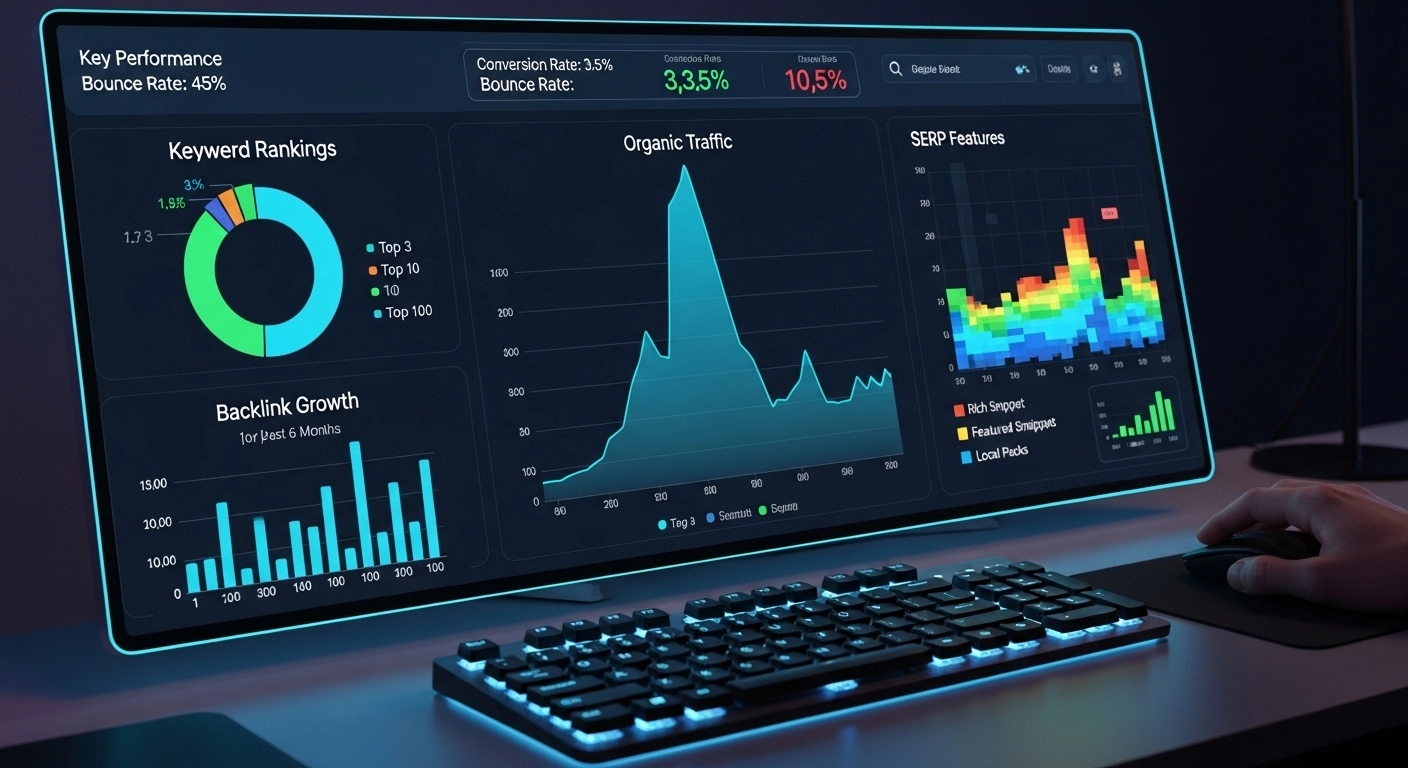
Search engine optimization (SEO) is not just about publishing content and hoping it ranks. Real success comes from tracking performance, understanding what works, and improving your strategy over time. That’s where SEO performance tracking becomes essential.
If you’re running a website, blog, or online store, tracking SEO performance helps you understand how your site is performing in search engines, what keywords are bringing traffic, and where you need to improve.
This guide explains what SEO performance tracking is, why it matters, and how to do it effectively.
What Is SEO Performance Tracking?
SEO performance tracking is the process of monitoring and measuring how well your website performs in search engines like Google. It involves analyzing data such as rankings, organic traffic, user behavior, and conversions.
The goal is simple: identify what is working and fix what isn’t.
Instead of guessing, SEO tracking uses real data to help you make smarter decisions.
For example, if one blog post suddenly brings thousands of visitors, tracking tools can show you which keyword is driving that traffic. You can then create more content around that topic.
Why SEO Performance Tracking Is Important
Many websites publish content regularly but never analyze their results. Without tracking, it’s impossible to know if your SEO strategy is working.
Here are the key benefits:
1. Understand Your Organic Traffic
SEO tracking shows how many visitors come from search engines and which pages attract the most traffic.
2. Monitor Keyword Rankings
You can see where your pages rank for important keywords and track improvements over time.
3. Identify High-Performing Content
Some pages perform better than others. Tracking helps you find these pages and replicate their success.
4. Detect SEO Problems Early
Drops in rankings or traffic can indicate technical issues, algorithm changes, or stronger competitors.
5. Measure ROI From SEO
If you’re investing time or money in SEO, tracking helps you measure whether those efforts lead to leads, sales, or signups.
Key Metrics to Track in SEO
To understand your SEO performance, focus on these core metrics.
Organic Traffic
Organic traffic refers to visitors who find your website through search engines. Increasing organic traffic usually indicates that your SEO strategy is working.
Keyword Rankings
Track where your pages rank for target keywords. Ranking on the first page—especially in the top three positions—drives the most clicks.
Click-Through Rate (CTR)
CTR shows how many people click your page after seeing it in search results. A low CTR may mean your title tag or meta description needs improvement.
Bounce Rate
Bounce rate measures how many visitors leave your site without interacting. A high bounce rate could mean the content isn’t meeting search intent.
Conversions
SEO isn’t just about traffic. The real goal is conversions—sales, leads, or signups.
Tracking conversions helps you understand which pages actually generate business results.
Best Tools for SEO Performance Tracking
Tracking SEO manually is difficult, so most marketers use specialized tools.
Google Search Console
Google Search Console shows how your website performs in Google search results. It provides data on:
- Keyword rankings
- Click-through rates
- Indexing status
- Search impressions
This tool is essential for every website owner.
Google Analytics
Google Analytics helps you analyze how users interact with your website. You can track:
- Organic traffic
- User behavior
- Conversions
- Top performing pages
SEO Tracking Tools
Professional SEO tools offer deeper insights and competitor analysis. Popular options include:
- Ahrefs
- SEMrush
- Moz
- Ubersuggest
These platforms track keyword rankings, backlinks, and overall SEO performance.
How to Track SEO Performance Step-by-Step
1. Set Clear SEO Goals
Start by defining what success means for your website. Examples include:
- Increasing organic traffic by 30%
- Ranking in the top 5 for target keywords
- Generating more leads from blog content
Clear goals make performance tracking meaningful.
2. Track Your Target Keywords
Choose important keywords and monitor their ranking positions regularly. Ranking improvements often indicate that your content and optimization efforts are working.
3. Analyze Top Performing Pages
Identify pages that generate the most traffic or conversions. Look for patterns such as:
- Topic relevance
- Search intent match
- Strong internal linking
Then apply similar strategies to other pages.
4. Monitor Technical SEO Health
Technical issues can damage SEO performance. Regularly check:
- Page speed
- Mobile usability
- Crawl errors
- Broken links
Fixing these issues can quickly improve rankings.
5. Review Data Monthly
SEO results take time, so analyze performance regularly—usually monthly. Look for trends instead of daily fluctuations.
Common SEO Tracking Mistakes to Avoid
Even experienced marketers make mistakes when tracking SEO.
Tracking too many metrics
Focus on metrics that actually impact growth, like traffic, rankings, and conversions.
Ignoring search intent
If your content doesn’t match what users are searching for, rankings will drop regardless of optimization.
Expecting instant results
SEO is a long-term strategy. Meaningful improvements often take several months.
Not updating old content
Sometimes the easiest SEO win is updating existing content that already ranks.
Simple Example of SEO Performance Tracking
Imagine you publish a blog post targeting the keyword “best SEO tools for beginners.”
After one month, tracking data shows:
- The page ranks at position 12
- Organic traffic is slowly increasing
- CTR is only 2%
To improve results, you might:
- Rewrite the title to make it more compelling
- Add updated tools and examples
- Improve internal linking
Within a few weeks, the page may move to the first page of search results and receive more clicks.
This is how data-driven SEO improvements work.
Frequently Asked Questions (FAQ)
What is the best way to track SEO performance?
The best approach combines tools like Google Search Console, Google Analytics, and professional SEO platforms to monitor rankings, traffic, and user behavior.
How often should SEO performance be tracked?
Most websites review SEO data weekly or monthly to track trends and identify improvements.
How long does SEO take to show results?
SEO typically takes 3–6 months to show noticeable improvements, depending on competition and website authority.
Which metric matters most in SEO?
Organic traffic and conversions are the most important metrics because they directly reflect business growth.
Can small websites track SEO performance effectively?
Yes. Even small websites can track SEO performance using free tools like Google Search Console and Google Analytics.
Conclusion
SEO without measurement is just guesswork. SEO performance tracking gives you the data needed to understand what drives traffic, improves rankings, and generates real business results.
By monitoring key metrics like organic traffic, keyword rankings, click-through rates, and conversions, you can refine your strategy and continuously improve your website’s visibility in search engines.
The most successful websites treat SEO as an ongoing process—track, analyze, optimize, and repeat.
