

In highly competitive industries, simply having a website isn’t enough. Businesses face the constant challenge of outranking rivals while capturing the attention of potential customers. That’s where strategic SEO marketing for competitive industries comes in. Done right, it doesn’t just improve rankings—it drives real leads and builds long-term authority.
Understanding SEO Challenges in Competitive Industries

Competitive industries—like finance, legal services, healthcare, and e-commerce—often have dozens or even hundreds of businesses vying for the same audience. The main challenges include:
- High Keyword Competition: Popular keywords have thousands of businesses targeting them.
- Strong Existing Authority: Competitors may already have established websites, backlinks, and trust signals.
- Constantly Evolving Algorithms: Search engines favor websites with consistent, high-quality content and excellent user experience.
To succeed, SEO strategies must go beyond basics and focus on tactical execution, content depth, and authoritative link-building.
Step 1: Perform In-Depth Keyword Research

Keyword research is the foundation of SEO marketing in competitive industries. Focus on:
- Long-Tail Keywords: Phrases with lower competition but high intent, e.g., “affordable personal injury lawyer in Chicago” instead of just “lawyer.”
- Search Intent Matching: Identify what users are actually looking for—informational, transactional, or navigational queries.
- Competitor Gap Analysis: Use tools like Ahrefs or SEMrush to see which keywords competitors rank for but you don’t.
Step 2: Build Authoritative, User-Focused Content
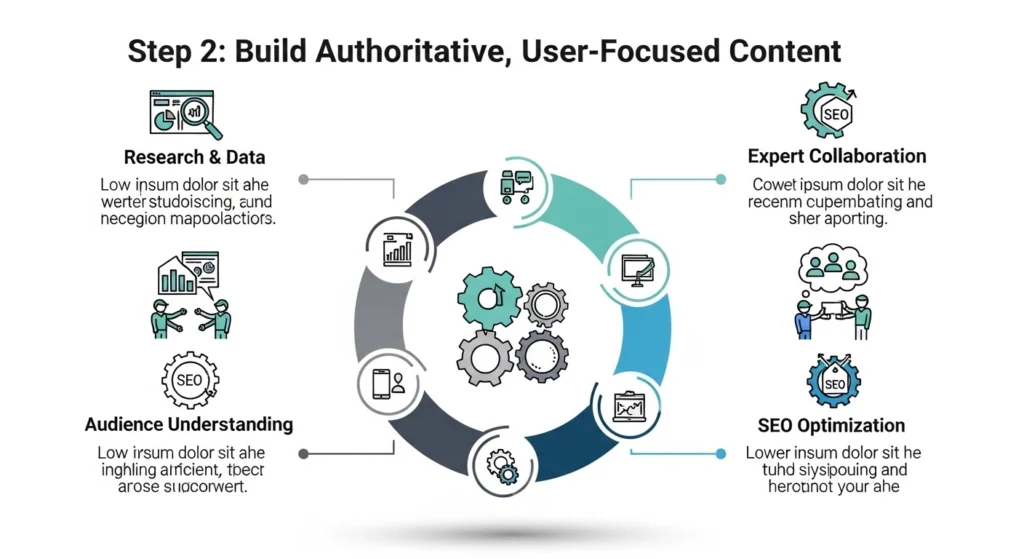
Content is king, especially when competing against established players. Strategies include:
- Comprehensive Guides: Cover topics in-depth, answer common questions, and provide actionable insights.
- Case Studies & Data: Demonstrate credibility by showing real results, industry stats, or client success stories.
- Multimedia Content: Videos, infographics, and interactive tools increase engagement and dwell time.
Example: A finance website might create a detailed guide comparing different investment strategies, backed by charts and downloadable resources.
Step 3: Optimize On-Page SEO

Even high-quality content won’t rank without proper on-page SEO. Key tactics:
- Optimize meta titles and descriptions with relevant keywords.
- Use clear header structures (H1, H2, H3) for readability.
- Include internal links to relevant pages to strengthen site architecture.
- Ensure fast loading times and mobile-friendly design.
Step 4: Build High-Quality Backlinks
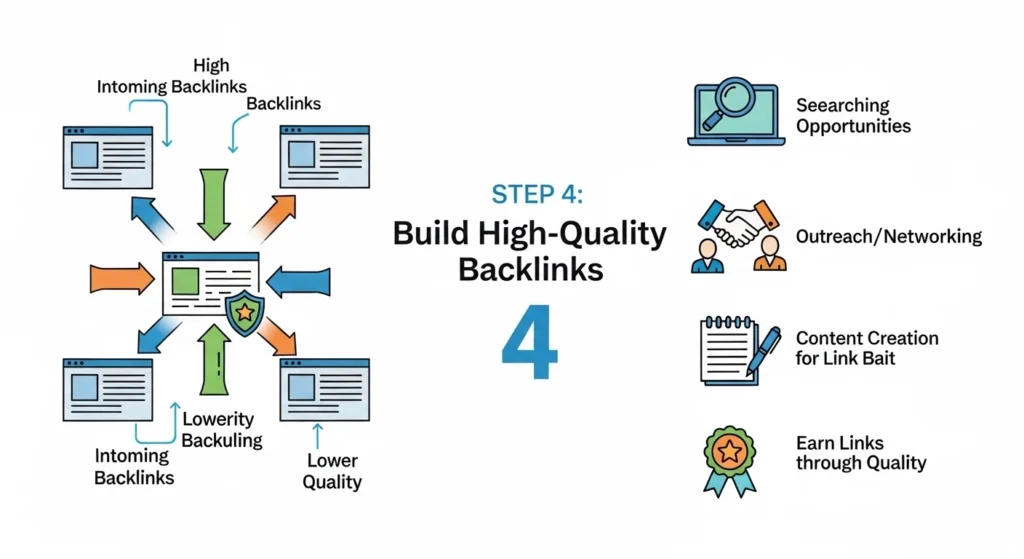
In competitive industries, backlinks are critical for authority. Focus on:
- Guest Posting: Contribute to reputable industry blogs.
- Resource Pages: Get your content listed in curated guides or reference pages.
- Digital PR: Share newsworthy stories, studies, or reports that naturally attract links.
Step 5: Leverage Technical SEO
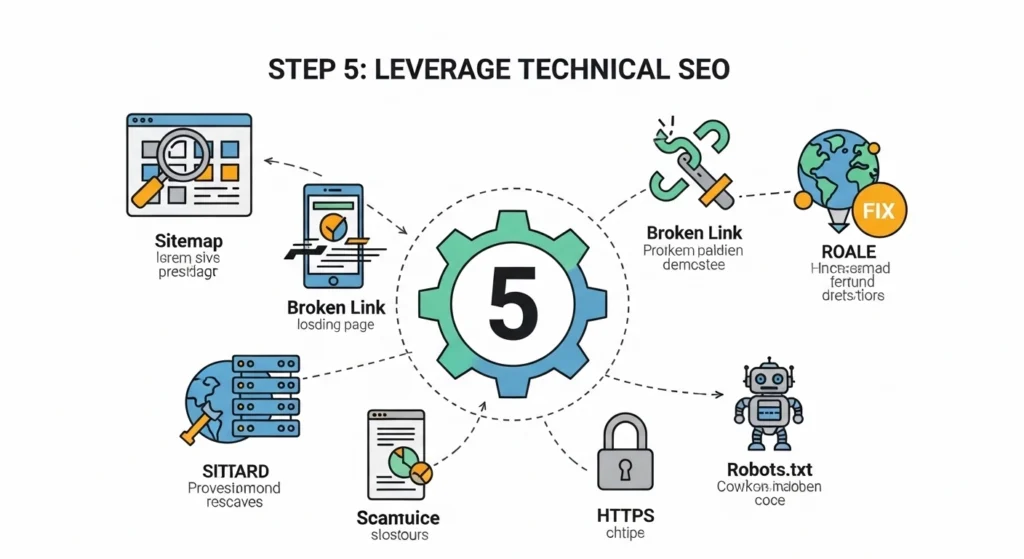
Technical SEO ensures search engines can crawl and index your site efficiently. Essential elements include:
- Proper XML sitemaps and robots.txt setup
- Structured data for rich snippets
- HTTPS security
- Minimizing broken links and crawl errors
Step 6: Track, Analyze, and Iterate

SEO in competitive industries isn’t a set-and-forget strategy. Track:
- Keyword rankings
- Organic traffic growth
- Conversion rates from organic visitors
- Backlink acquisition and domain authority
Use these insights to refine your strategy and maintain a competitive edge.
FAQ: SEO Marketing in Competitive Industries
Q1: How long does it take to see results?
A: In competitive niches, SEO can take 4–12 months for significant rankings, but consistent effort and quality content accelerate progress.
Q2: Can small businesses compete with large brands?
A: Absolutely. Targeting niche, long-tail keywords and creating highly useful content can help smaller players outperform larger competitors.
Q3: Is paid advertising necessary?
A: Paid ads can complement SEO, especially for immediate visibility, but a strong SEO foundation provides sustainable traffic and leads over time.
Conclusion: Stand Out in Competitive Markets
SEO marketing for competitive industries requires strategy, persistence, and creativity. By focusing on user intent, creating authoritative content, optimizing technical and on-page SEO, and building quality backlinks, businesses can achieve visibility, traffic, and conversions—even in crowded markets.
Take Action Today: Start by auditing your website, identifying your top competitors, and building a content plan focused on high-value, long-tail keywords. Consistency is your secret weapon in competitive industries.
