
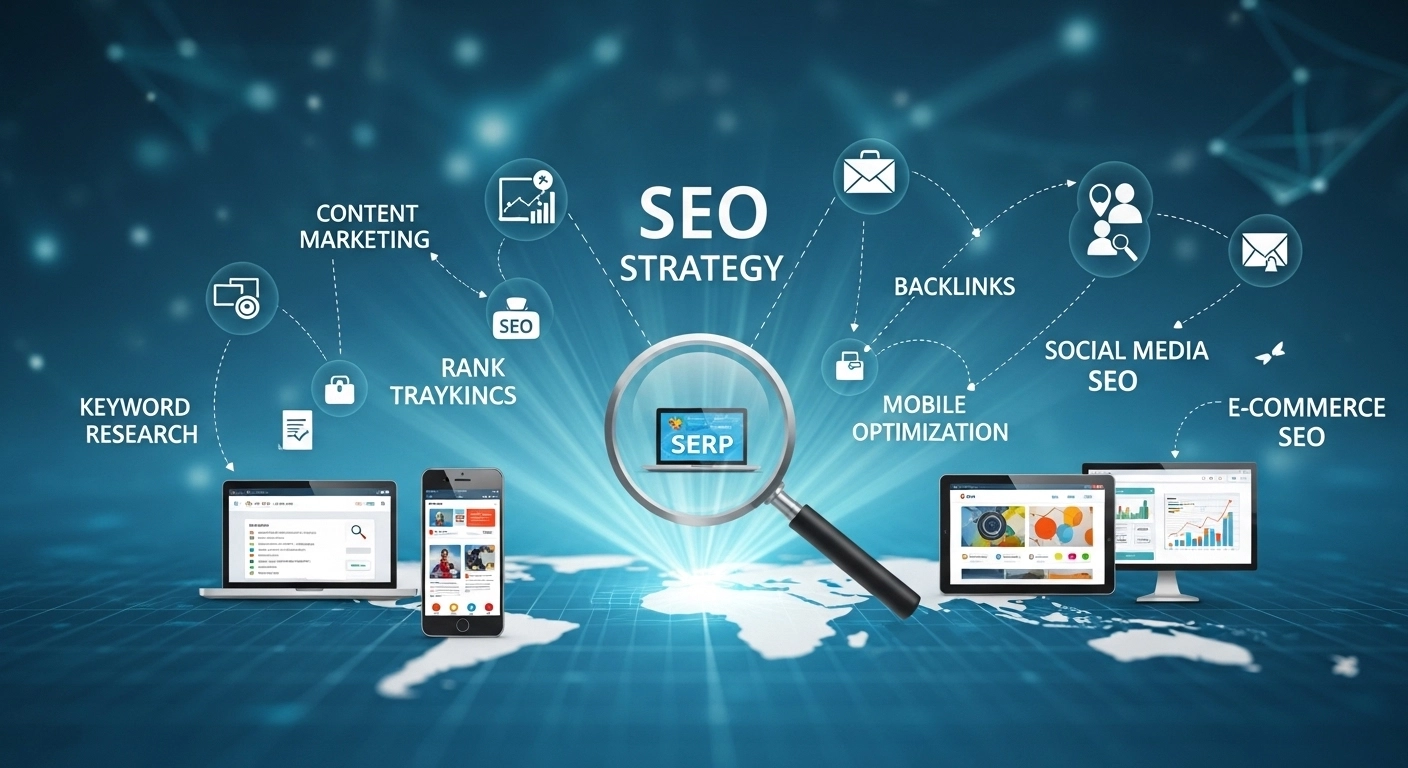
In today’s digital-first world, simply having a website isn’t enough. Businesses must actively optimize their presence across digital platforms to reach the right audience. This is where SEO marketing for digital platforms comes in—a strategy that helps you appear in search results, attract organic traffic, and drive conversions.
Whether you’re a small business owner, a marketer, or a content creator, understanding and implementing SEO is essential to succeed online.
What is SEO Marketing for Digital Platforms?
SEO, or Search Engine Optimization, is the process of improving your website and content so that it ranks higher in search engines like Google, Bing, and Yahoo.
When applied to digital platforms, SEO doesn’t just focus on websites. It also includes optimizing your content for social media channels, eCommerce platforms, video platforms like YouTube, and even mobile apps. Essentially, SEO marketing ensures your audience finds you wherever they spend time online.
Why SEO Marketing Matters for Digital Platforms
- Higher Visibility: Optimized content appears at the top of search results, increasing your brand’s visibility.
- Targeted Traffic: SEO drives visitors actively searching for your products or services, improving engagement and conversion rates.
- Cost-Effective Growth: Unlike paid ads, organic traffic through SEO doesn’t require ongoing spend, offering sustainable growth over time.
- Credibility and Trust: Appearing in top search results signals authority, making users more likely to trust your brand.
Key SEO Strategies for Digital Platforms
1. Keyword Research and Optimization
Start by identifying the keywords your audience uses. Tools like Google Keyword Planner or Ahrefs can help. Focus on:
- Primary keywords for main content pages
- Long-tail keywords for blog posts or niche content
- Platform-specific keywords (e.g., hashtags on Instagram, search phrases on YouTube)
2. On-Page SEO
Every piece of content should be optimized for search engines:
- Include your target keyword in the title, headings, and meta description.
- Use descriptive URLs and alt text for images.
- Ensure content is structured with clear headings (H1, H2, H3).
3. Technical SEO
Your website must function seamlessly:
- Mobile-friendly design
- Fast page loading speed
- Secure HTTPS protocol
- XML sitemaps submitted to search engines
4. Content Marketing
Create content that informs, engages, and converts:
- Blog posts answering your audience’s questions
- Videos demonstrating your products or services
- Infographics and interactive content for social media
- User-generated content and reviews
5. Off-Page SEO
Build authority outside your platform:
- Acquire backlinks from reputable sites
- Engage on social media platforms
- Collaborate with influencers or industry experts
6. Platform-Specific SEO Tactics
Different platforms require specialized strategies:
- YouTube: Optimize video titles, descriptions, and tags for search.
- Instagram/TikTok: Use relevant hashtags and captions that include keywords.
- LinkedIn: Optimize profiles and posts for professional search terms.
Common SEO Mistakes to Avoid
- Keyword stuffing
- Ignoring mobile optimization
- Using duplicate content
- Neglecting internal linking
- Overlooking page speed improvements
FAQ About SEO Marketing for Digital Platforms
Q1: How long does SEO take to show results?
A1: SEO is a long-term strategy. Typically, it can take 3–6 months to see significant organic growth, depending on competition and consistency.
Q2: Can social media activity improve SEO?
A2: Indirectly, yes. Social engagement increases content visibility, driving traffic and potential backlinks, which support SEO performance.
Q3: Do paid ads affect SEO?
A3: Paid ads do not directly impact organic SEO rankings, but they can complement SEO by increasing visibility and engagement.
Conclusion
SEO marketing for digital platforms isn’t optional—it’s essential for businesses seeking sustainable growth online. By combining strong keyword research, quality content, technical optimization, and platform-specific strategies, you can increase visibility, attract your ideal audience, and drive conversions.
Start today by auditing your current digital presence, optimizing your content, and consistently creating value for your audience.
Take Action: Begin implementing these SEO strategies across your digital platforms and watch your online presence grow. Your audience is searching—make sure they find you first.
