
Website speed is no longer just a technical detail. It is one of the most important factors that affects user experience, search rankings, and conversions.
When a page loads slowly, visitors leave quickly. Search engines notice this behavior and may lower your rankings. Faster websites keep users engaged, improve SEO performance, and increase sales.
In this guide, you’ll learn practical SEO page performance tips you can apply immediately to make your website faster and more search-engine friendly.
Why Page Performance Matters for SEO
Search engines want to deliver the best possible experience to users. A fast website helps achieve that goal.
Page performance affects:
- Search rankings
- Bounce rate
- User experience
- Conversion rates
- Mobile usability
Google also measures page performance through Core Web Vitals, which evaluate loading speed, visual stability, and responsiveness.
Simply put: faster pages rank better and convert better.
1. Improve Your Core Web Vitals
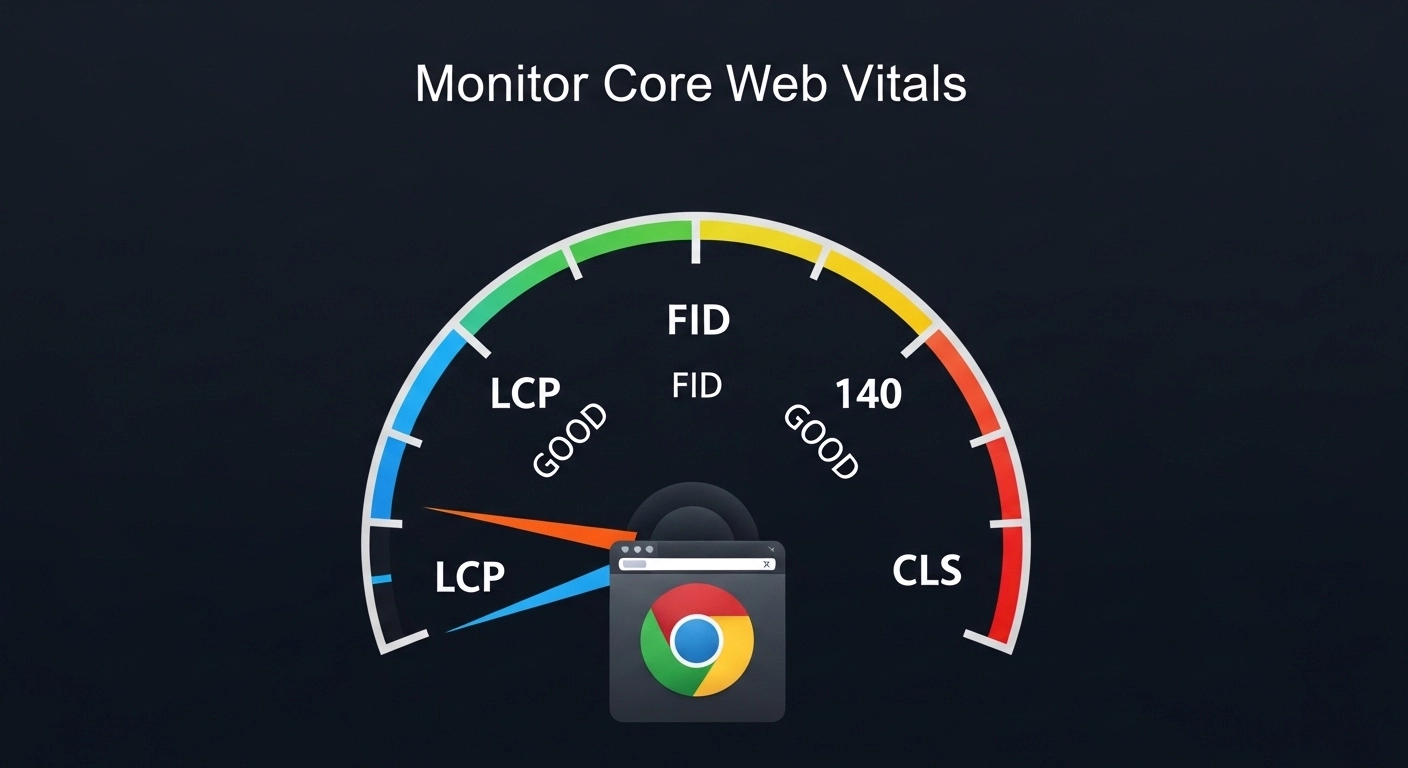
Core Web Vitals are performance metrics that measure how users experience your site.
The three main metrics include:
Largest Contentful Paint (LCP) – how quickly the main content loads
First Input Delay (FID) – how quickly the page responds to user interaction
Cumulative Layout Shift (CLS) – how stable the page layout is while loading
Simple ways to improve them
- Optimize images
- Reduce JavaScript
- Use faster hosting
- Enable browser caching
Tools like PageSpeed Insights and Lighthouse can help you identify issues.
2. Optimize Images Without Losing Quality
Images often make up the largest part of a webpage. Unoptimized images can slow your site dramatically.
Best practices
- Compress images before uploading
- Use modern formats like WebP
- Resize images to the correct dimensions
- Use lazy loading for images below the fold
For example, instead of uploading a 5MB photo directly from a camera, compress it to under 200KB while keeping visual quality.
This simple step can reduce page load time significantly.
3. Use a Fast and Reliable Hosting Provider
Your hosting provider plays a major role in website performance.
Cheap or overloaded servers can slow down even a well-optimized website.
Look for hosting that offers
- SSD storage
- High uptime
- Fast server response times
- Content delivery network (CDN) integration
- Good server locations near your audience
If your audience is in the US, for example, choose servers located in the US to reduce latency.
4. Enable Browser Caching
Browser caching stores website files on a visitor’s device so they don’t need to be downloaded again on the next visit.
This makes returning visits much faster.
Cached elements include
- Images
- CSS files
- JavaScript
- Fonts
With caching enabled, a page that normally loads in 3 seconds may load in less than 1 second for repeat visitors.
5. Minimize CSS, JavaScript, and HTML
Every line of code adds weight to your webpage. Too much code slows down loading time.
Improve performance by
- Removing unused CSS and JavaScript
- Minifying code files
- Combining multiple files into one
- Loading JavaScript asynchronously
Many performance plugins and build tools can automatically handle this process.
6. Use a Content Delivery Network (CDN)
A CDN distributes your website files across multiple global servers.
When someone visits your site, the CDN delivers content from the server closest to them.
Benefits of a CDN
- Faster loading worldwide
- Reduced server load
- Improved reliability
- Better SEO performance
For websites with global visitors, a CDN can dramatically reduce load times.
7. Reduce Redirects
Redirects add extra steps in the loading process.
Each redirect creates another HTTP request, which increases load time.
Common issues include
- Multiple redirect chains
- Old URLs redirecting multiple times
- Unnecessary redirects between pages
Whenever possible, link directly to the final destination URL.
8. Optimize for Mobile Performance
Most internet traffic now comes from mobile devices.
Mobile users often have slower connections, which makes performance even more critical.
Mobile optimization tips
- Use responsive design
- Compress images aggressively
- Avoid heavy scripts
- Reduce pop-ups and intrusive elements
Fast mobile pages improve both rankings and user engagement.
9. Clean Up Your Database
Over time, websites accumulate unnecessary data such as:
- Old revisions
- Spam comments
- Expired transients
- Unused plugins
Cleaning your database regularly can reduce server load and improve performance.
For websites built with content management systems, database optimization plugins can automate this task.
10. Monitor Performance Regularly
Website performance is not a one-time task.
New plugins, updates, and content changes can affect speed.
Tools to monitor performance
- Google PageSpeed Insights
- GTmetrix
- Lighthouse
- WebPageTest
Regular testing helps you identify problems before they impact SEO.
FAQ: SEO Page Performance Tips
What is a good page load speed for SEO?
Ideally, your page should load in under 2–3 seconds. Faster sites generally perform better in search results and keep visitors engaged.
Does page speed affect Google rankings?
Yes. Page speed is a ranking factor, especially through Core Web Vitals and overall user experience signals.
Do images slow down websites?
Large or uncompressed images are one of the most common causes of slow pages. Compressing and resizing images can greatly improve performance.
How can beginners improve website speed quickly?
Start with three easy actions: optimize images, enable caching, and use a CDN. These changes often produce immediate results.
Conclusion
Improving website speed is one of the most effective ways to boost SEO performance and user experience.
By optimizing images, improving Core Web Vitals, minimizing code, using a CDN, and monitoring performance regularly, you can build a faster website that both users and search engines love.
Remember: every second counts online. Even small improvements in page speed can lead to higher rankings, lower bounce rates, and more conversions.
